
Tips to Avoid Scams When Importing Cars from Overseas
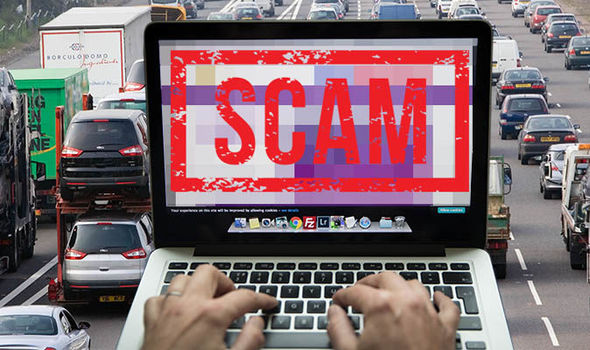
Importing a car from overseas can be an exciting opportunity, especially when you’re looking for rare models, better pricing, or superior specifications. However, the international automobile market also comes with risks. Scam dealers, fake listings, hidden charges, and fraudulent exporters target buyers who lack experience in global imports. To ensure a safe, secure, and transparent buying experience, it’s essential to follow a structured approach and partner with reliable professionals such as Wheels Corporation, a trusted name in overseas car sourcing.
Here are some practical and proven tips to help you avoid scams when importing cars from abroad.
1. Verify the Seller’s Background Thoroughly
The first step in avoiding fraud is performing a complete background check on the exporter or dealer. Many scammers use stolen photos, fake addresses, or temporary websites to lure buyers with unbelievably low prices.
How to do it right:
● Check how long the company has been in business.
● Look for genuine customer reviews across independent platforms.
● Confirm physical office addresses on Google Maps.
● Request registration documents or business licenses.
● Check whether the seller is part of any official export associations.
Legitimate exporters readily share verification documents and will never hesitate to prove their credibility.
2. Avoid Unrealistic Prices
If a deal looks too good to be true, it usually is. Fraudulent exporters often attract buyers with cars priced 20–40% below the market rate.
Smart approach:
● Compare prices with multiple reputed exporters.
● Calculate shipping, customs duty, insurance, and local taxes to estimate the real cost.
● Don’t be tempted by unusually low quotes.
Wheels Corporation advises buyers to stay alert—genuine exporters follow transparent and standard pricing.
3. Request Detailed Vehicle Inspection Reports
Another common scam is selling cars with hidden damage, manipulated odometers, or incomplete documentation. To avoid this, insist on receiving a professional vehicle inspection report.
Make sure the report includes:
● Chassis number verification
● Engine condition
● Accident and repair history
● Mileage authenticity
● Interior and exterior condition
● Real-time photos and videos
Companies like Wheels Corporation ensure every vehicle undergoes a comprehensive inspection before purchase approval.
4. Never Make Full Payments Upfront
Fraudsters often ask for full payment before the car is shipped. Once they receive the money, they disappear, leaving the buyer with zero legal options.
Best practices:
● Pay only a small deposit after verifying the exporter.
● Use secure payment methods like LC (Letter of Credit) or bank transfers to verified accounts.
● Avoid anonymous payment options or untraceable methods.
● Ask for an invoice with clear terms and conditions.
A trustworthy importer always provides secure payment channels and proper documentation.
5. Use Safe and Verifiable Shipping Methods
Shipping scams are quite common, including fake container bookings, non-existent tracking numbers, or delayed shipments.
Ensure the following for safety:
● Check if the exporter works with certified shipping lines.
● Ask for the Bill of Lading (BOL) once the car is loaded.
● Use verified tracking portals to monitor shipment progress.
● Confirm insurance details before dispatch.
Wheels Corporation works only with top international logistics partners, ensuring your car reaches safely and on time.
6. Understand Customs Regulations to Avoid Penalties
Scammers sometimes provide incomplete or false documentation, causing importers to face hefty fines or seizure of the vehicle at customs.
Do your homework:
● Learn about your country’s import duties and restrictions.
● Check age limits, emission standards, and required certificates.
● Ensure your exporter provides all necessary documents, such as:
○ Export certificate
○ Invoice
○ Vehicle inspection report
○ Emission compliance
○ Shipping documents
By consulting experts at Wheels Corporation, buyers avoid costly mistakes and document-related surprises.
7. Watch Out for Fake Websites & Social Media Profiles
Scammers often create high-quality fake websites resembling popular exporters. They also run misleading ads with stolen car images.
How to detect fake sites:
● Look for grammar errors, broken links, or unrealistic offers.
● Check domain age using online tools—new domains are red flags.
● Verify contact numbers and email IDs.
● Never trust sellers who communicate only through WhatsApp or social media.
A legitimate company always has a consistent online presence and verifiable contact details.
8. Request Real-Time Photos and Live Video Calls
One of the simplest ways to identify fraudulent exporters is to request a live video tour of the car.
A genuine seller will:
● Show the VIN during the call.
● Let you see the engine, interior, and exterior in real-time.
● Answer technical questions confidently.
Scammers usually avoid video calls or provide excuses.
9. Use a Trusted Import Service Provider
Importing a car alone can be risky if you lack experience. Partnering with a reliable service provider ensures transparency, safety, and end-to-end support.
Benefits of working with a trusted company like Wheels Corporation:
● Access to verified overseas dealers
● Expert vehicle inspections
● Transparent pricing
● Secure payment channels
● Trusted logistics partners
● Complete paperwork assistance
● Hassle-free customs clearance
This professional support minimizes risks and protects your investment.
10. Trust Your Instincts and Avoid Pressure Tactics
Scammers often use urgency as a weapon—limited-time offers, “only one piece left,” or discounts if you pay immediately.
Take your time. Verify details. Ask questions. A genuine exporter will never rush you or pressure you into making quick payments.
Conclusion
Importing a car from overseas can be smooth, safe, and rewarding when done with the right precautions. By verifying the seller, checking vehicle reports, choosing secure payment and shipping methods, and understanding documentation requirements, you can avoid the most common scams in the global automobile market.